Health tips · फैटी लिवर
Fatty liver
Fatty liver is now common in Indian cities, often without any symptoms. Everyday food and oil choices play a big part in it.
What it is
Fatty liver means extra fat has built up in liver cells. The most common type today is linked to weight gain, diabetes and diet rather than alcohol, and doctors now often call it metabolic dysfunction-associated fatty liver disease (MASLD). Many people find out only by chance, on an ultrasound or a liver function test.
Common city-life contributors
- Deep-fried snacks and street food, often fried in oil that has been reused many times
- Sugary drinks, sweets and packaged juices
- Refined flour (maida) and large portions of white rice
- Long sitting hours and little physical activity
- Late-night heavy dinners and weight gain around the waist
Everyday habits that help
- Keep total oil to a few teaspoons per person per day, and never reuse frying oil again and again
- Fill half your plate with vegetables, and add dal or another protein to every meal
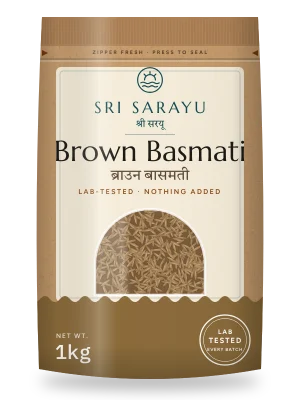
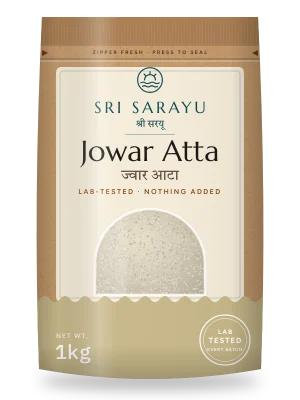
- Swap some white rice and maida for whole-grain atta, millets and brown or red rice
- Cut sugary drinks; plain water, chaas and nimbu pani without sugar are better
- Walk at least 30 minutes a day, most days of the week
- Limit or avoid alcohol
Where clean ingredients fit in
FSSAI sets a limit on how far cooking oil can break down with reuse, because degraded oil forms harmful compounds. Using fresh, cold-pressed oil in small amounts, instead of reheated or refined oil of unknown origin, removes one avoidable variable.
When to see a doctor
- You are overweight, diabetic or have high cholesterol, even with no symptoms
- Discomfort in the upper right side of the belly
- Yellowing of eyes or skin, dark urine, or swelling of the feet or belly (see a doctor urgently)
Reviewed for general readers. This is not a substitute for advice from your own doctor.