Health tips · मोटापा
Weight gain & obesity
Indian bodies tend to store fat around the waist at lower weights. Small, steady changes in the kitchen add up more than crash diets.
This page is general health information, not medical advice. Sri Sarayu products are foods, not medicines. We do not claim that our products prevent, treat or cure any condition, or that other products cause them. Choosing clean, unadulterated ingredients is one way to avoid some avoidable risks. Please see a qualified doctor for diagnosis and treatment.
What it is
Obesity is excess body fat that raises the risk of diabetes, heart disease, fatty liver and joint problems. For Indian adults, many doctors use lower cut-offs than the West: a BMI of 23 or more is considered overweight, and a waist above about 90 cm for men or 80 cm for women is a warning sign.
Common city-life contributors
- Ordering in and eating out several times a week
- Refined flour, sugar and fried snacks
- Large portions of rice and rotis with little protein or vegetables
- Sugary tea, coffee and drinks through the day
- Screen time, long commutes and little movement
- Too little sleep
Everyday habits that help
- Use smaller plates and serve once rather than eating from the pot
- Make dal, sprouts, paneer, curd or eggs part of every meal
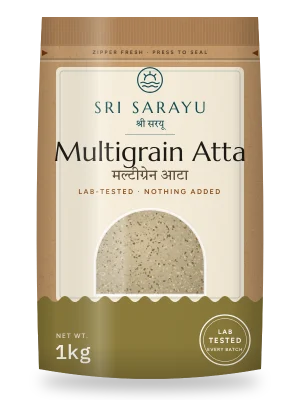
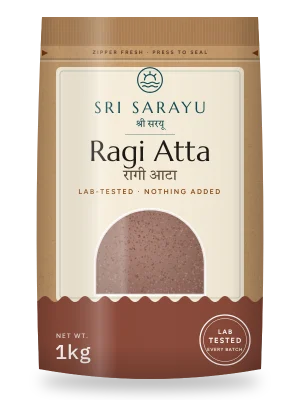
- Choose whole-grain atta, millets and whole dals over maida
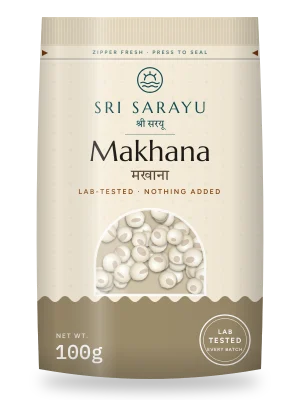
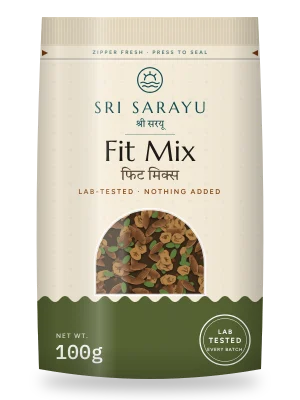
- Snack on roasted makhana, chana or a small handful of nuts instead of fried namkeen
- Cut added sugar step by step, starting with tea and drinks
- Move every day: walking, yoga, stairs, anything you enjoy
- Sleep 7 to 8 hours
Where clean ingredients fit in
A clean kitchen makes healthy eating easier: whole grains instead of maida, real roasted snacks instead of fried ones, and spices that make simple food taste good without extra oil or salt.
When to see a doctor
- Your BMI is 25 or more, or your waist is above the cut-offs
- You have high blood sugar, blood pressure or cholesterol
- Snoring with daytime sleepiness, or joint pain limiting your movement
Reviewed for general readers. This is not a substitute for advice from your own doctor.