Health tips · अपच और एसिडिटी
Indigestion, acidity & bloating
Heartburn after dinner, a heavy stomach, gas: so many of us live with it that we stop noticing. Often it comes down to what, when and how we eat.
This page is general health information, not medical advice. Sri Sarayu products are foods, not medicines. We do not claim that our products prevent, treat or cure any condition, or that other products cause them. Choosing clean, unadulterated ingredients is one way to avoid some avoidable risks. Please see a qualified doctor for diagnosis and treatment.
What it is
Indigestion is discomfort in the upper belly during or after eating: burning, fullness, bloating or belching. Acidity or reflux is when stomach acid rises into the food pipe and causes a burning feeling in the chest.
Common city-life contributors
- Large, late dinners followed by lying down
- Very oily, fried or heavily spiced restaurant food
- Too much tea, coffee or aerated drinks
- Eating fast, at a desk or in a hurry
- Stress and poor sleep
- Adulterated or stale spices and oils, which can irritate the stomach
Everyday habits that help
- Eat dinner at least 2 to 3 hours before bed
- Eat smaller meals and chew slowly
- Use spices for flavour, not to mask stale food, and go easy on chilli if it bothers you
- Prefer home-cooked food in fresh, clean oil
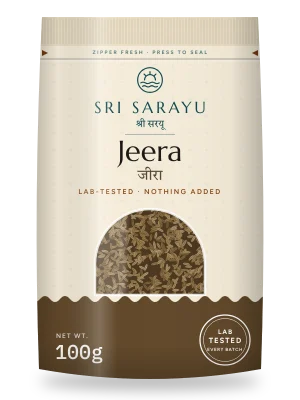
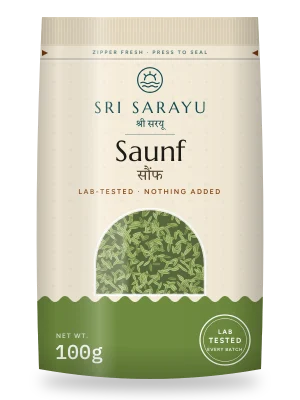
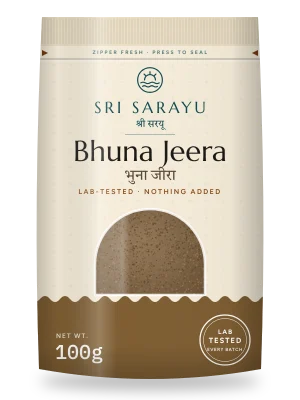
- Try buttermilk with roasted jeera, or saunf after meals, as many Indian homes do
- Notice your triggers and cut down on them
Where clean ingredients fit in
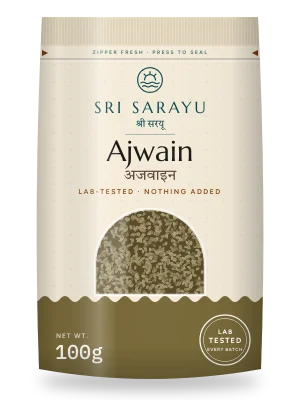
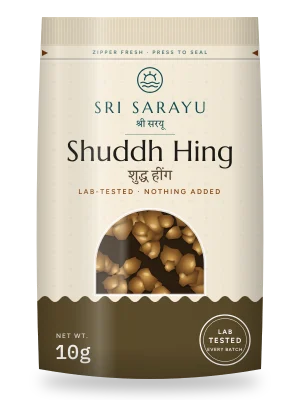
Spices like hing, jeera, ajwain and saunf have been used in Indian kitchens for generations to make heavy food easier to eat. That only works if the spice is what it says it is: no fillers, no colour, no residue. That's why we lab-test every batch.
When to see a doctor
- Acidity most days for more than two to three weeks
- Difficulty or pain while swallowing
- Unexplained weight loss, vomiting, or black or bloody stools (see a doctor urgently)
- Chest pain, especially with breathlessness or sweating: treat as an emergency, as it may be the heart
Reviewed for general readers. This is not a substitute for advice from your own doctor.